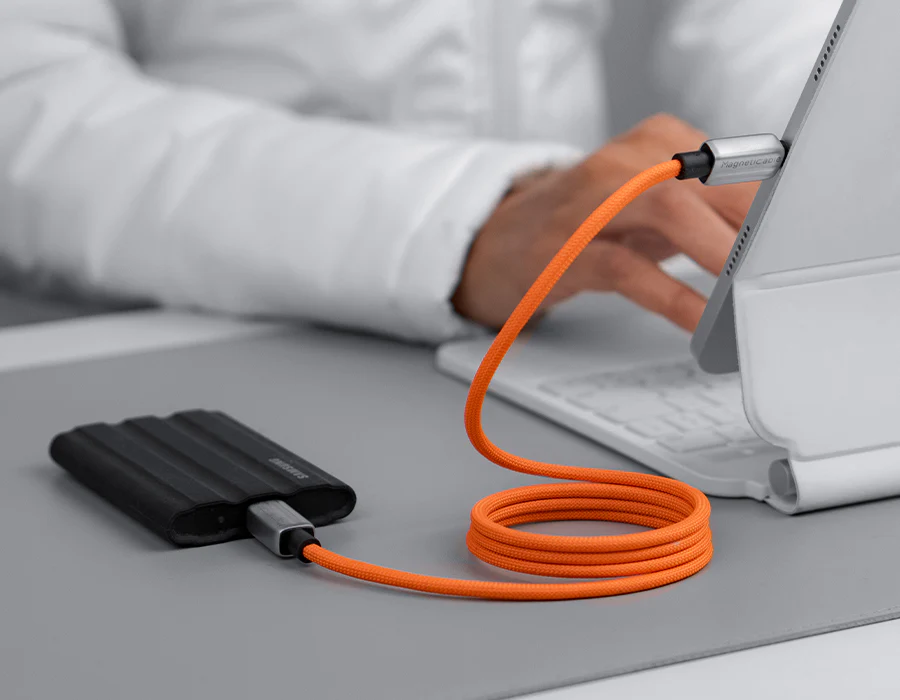

USB-C Cable Standards Explained: USB 2.0, USB 3.2, USB4 & Thunderbolt Differences
Not all USB-C cables are the same. Different USB standards—USB 2.0, USB 3.2, USB4, and Thunderbolt—offer very different data speeds, charging wattages, and supported features. This guide clearly explains each standard, how they compare, and how to choose the right cable based on your devices and performance requirements.
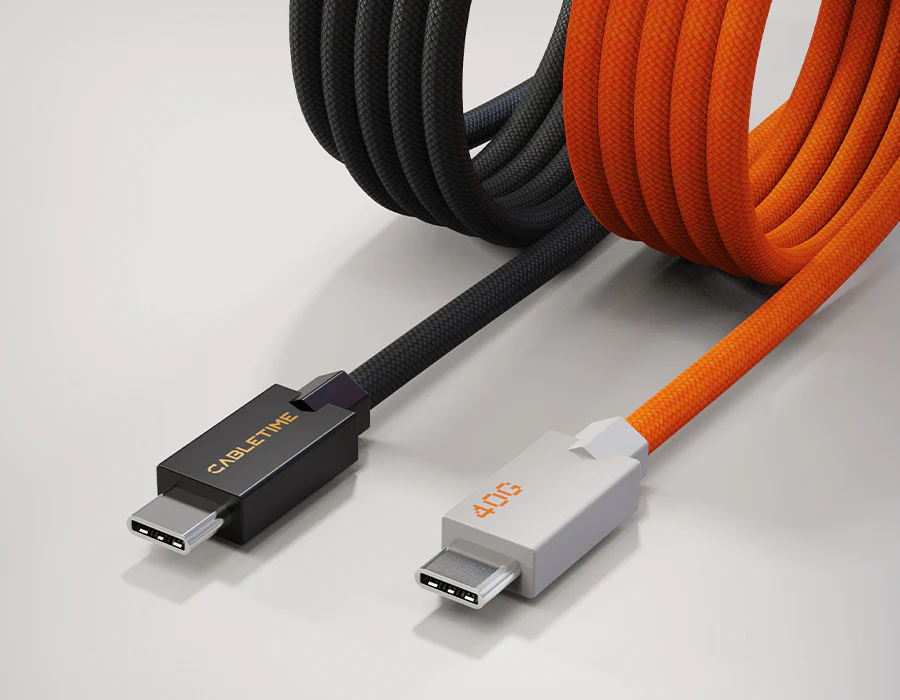
Why Cheap USB-C Cables Fail: Common Buying Mistakes & How Quality Affects Charging and Data Performance
Buying a cheap USB-C cable may seem harmless, but low-quality cables often cause charging failures, data errors, overheating, or even permanent device damage. This guide explains the most common mistakes people make when choosing USB-C cables, why build quality matters, and how to select safe, certified, and reliable cables for everyday and professional use.

USB-C vs USB4 vs Thunderbolt: How to Choose the Right Cable for High-Speed Data and Display Output
Buying a cheap USB-C cable may seem harmless, but low-quality cables often cause charging failures, data errors, overheating, or even permanent device damage. This guide explains the most common mistakes people make when choosing USB-C cables, why build quality matters, and how to select safe, certified, and reliable cables for everyday and professional use.
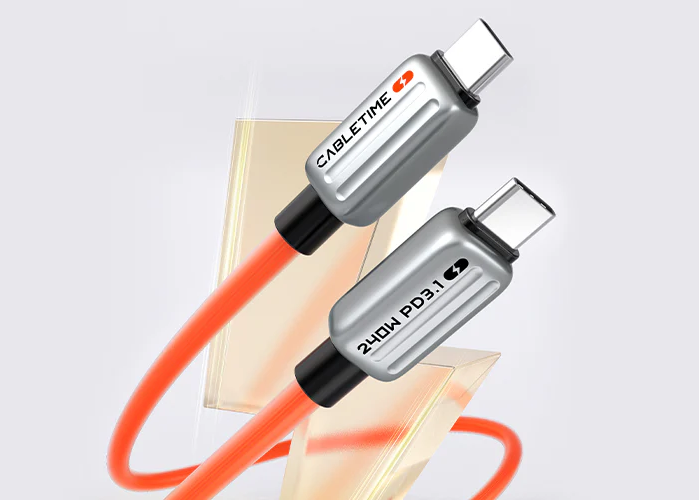
USB-C Power Delivery Explained: Wattage, E-Marker Chips & Safe USB-C Cable Selection
USB-C Power Delivery (PD) enables faster, safer charging for phones, tablets, laptops, and industrial devices. But not all USB-C cables support the same wattage or safety standards. This guide explains PD wattage levels, E-Marker chip requirements, certification standards, and how to choose a safe USB-C cable for your device.
When to Use Custom USB-C Cable Solutions for Data Centers, Servers, and Industrial Equipment
Custom USB-C cables are increasingly used in data centers, servers, and industrial equipment where reliability, signal stability, and specific performance requirements matter. This guide explains when custom solutions are necessary, what problems they solve, and how businesses can ensure high-speed, durable, and long-life USB-C interconnects for mission-critical environments.
Future Trends of USB-C and USB4 (2026–2028): What’s Next for Data Centers, High-Speed Interconnects & Charging Standards
Between 2026 and 2028, USB-C and USB4 will evolve rapidly, with higher bandwidth, new charging standards, and broader adoption across data centers, servers, industrial equipment, and consumer electronics. This forward-looking guide explores upcoming trends, expected performance improvements, and how businesses can prepare for the next generation of high-speed interconnect and power delivery technologies.
Custom USB-C Cable Manufacturing: Key Specs, Testing Methods & Compliance for OEM/ODM Projects
Custom USB-C cable manufacturing requires precise engineering, strict compliance, and reliable performance testing—especially for OEM/ODM projects. This guide explains the key specifications, E-Marker requirements, materials, high-speed testing methods, and certification standards that brands and manufacturers must understand before starting a custom USB-C cable project.

Understanding Mini SAS SFF-8088 Standards: Protocols, Pinouts & Use-Cases in Enterprise Storage
Mini SAS SFF-8088 is the backbone of enterprise storage interconnects, enabling high-speed, reliable data transmission between servers and RAID systems. This article explains its standards, pinouts, and real-world applications—plus how OEM manufacturing ensures performance and compliance in professional data-center environments.
Custom Cable Lengths & Breakout Options for Mini SAS SFF-8088: Why It Matters for Data Centre Integrators
In complex data-centre environments, standardized SAS cables rarely fit perfectly. This article explains why custom Mini SAS SFF-8088 cable lengths and breakout configurations are essential for signal integrity, airflow, and integration flexibility—and how OEM manufacturers ensure precision and quality for enterprise deployments.
Signal Integrity & Shielding in Mini SAS SFF-8088 Cables: Key for High-Speed SAS Links
In high-speed Mini SAS SFF-8088 connections, signal integrity and proper shielding are the main determinants of data reliability—without them, even a well-designed system risks jitter, crosstalk, and transmission errors that cascade into costly downtime. This article explores the principles, construction, testing, and OEM practices that make SFF-8088 cables perform flawlessly at 6 Gb/s per lane.